
Sponsor & guest movement
Hospitality Programs transportation.
A hospitality program is a promise made to guests who are not paying for it. They were invited, they are being looked after, and the transportation is the first and last thing they experience. It is also the part most likely to be judged, because a guest who waits in the wrong place remembers that longer than the suite.
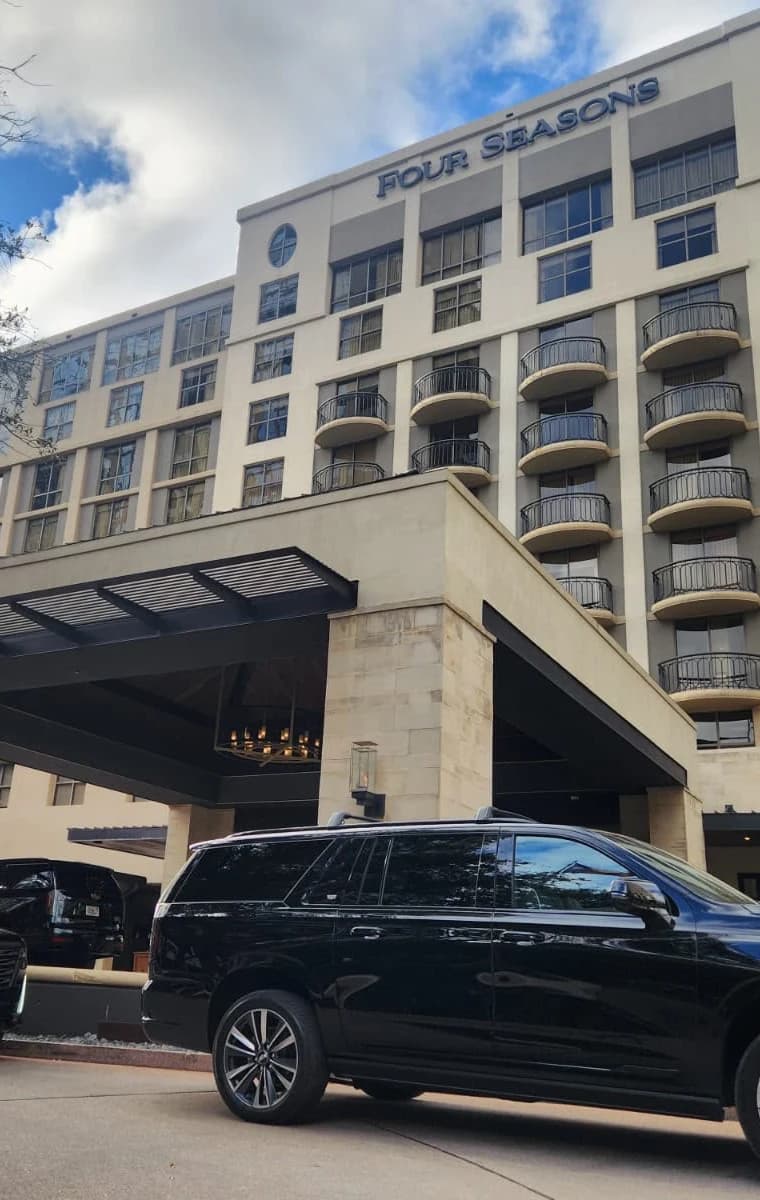
Sponsor & guest movement
Built around your event calendar. Peak demand tracks the sporting and conference seasons, so the programs that go smoothest are scoped months ahead.
Austin and 800+ cities worldwide
Hospitality Programs at a glance
- Program shape
- Manifest-driven — named guests, named vehicles, named times
- Typical layers
- Airport arrivals, hotel-to-venue, suite access, offsite dinners, departures
- Coordination
- On-site coordinators for programs above a single vehicle
- Coverage
- Austin, plus 800+ cities through a vetted affiliate network
- Billing
- Consolidated to the host, never to the guest
The manifest is the product
Every hospitality program we run starts as a spreadsheet and ends as a set of assignments: who is being moved, from which hotel, at what time, to which entrance, in which vehicle, with whose phone number on the chauffeur's screen. Nothing about that is glamorous and everything about it is the difference between a program that works and one that generates apologies.
The common failure is planning transportation from the event schedule rather than from the guest list. Twelve guests in four hotels arriving on six flights is not one movement; it is a sequence, and the sequence has to be built before anyone quotes a vehicle count.
Guests do not book, and should not have to
A hospitality guest should never be asked for a card, a booking reference or a decision. They are told a time and a place, a chauffeur is there, and the invoice goes to the host. Anything else undoes the point of inviting them.
In practice that means the host holds the plan and the guests hold nothing. Changes route through your coordinator and ours rather than through a guest negotiating with a driver, and billing is consolidated to the program rather than fragmented across rides.
Arrival waves and the last mile
Two moments carry most of the risk: the arrival wave, when a dozen flights land inside four hours, and the last mile at the venue, where credentialed access, closed roads and crowd control decide where a vehicle can actually stop.
Both are planned in advance and neither is improvised. Arrivals are flight-tracked with staged vehicles and greeters where volume justifies them. The last mile is walked and agreed against the venue's own traffic plan for that edition — a named set-down point with a known walking distance, rather than an entrance that may be closed on the day.
One standard, wherever the event is
Programs rarely stay in one city. A sponsor calendar runs a Grand Prix in Austin, a tournament somewhere else and a conference in a third market, and the guest experience is supposed to feel identical in all three.
Outside Austin we deliver through a vetted affiliate network across 800+ cities, coordinated and billed centrally so the host deals with one team rather than a different local operator per market. What travels is the standard and the coordination, not a claim of owned fleet in every city.
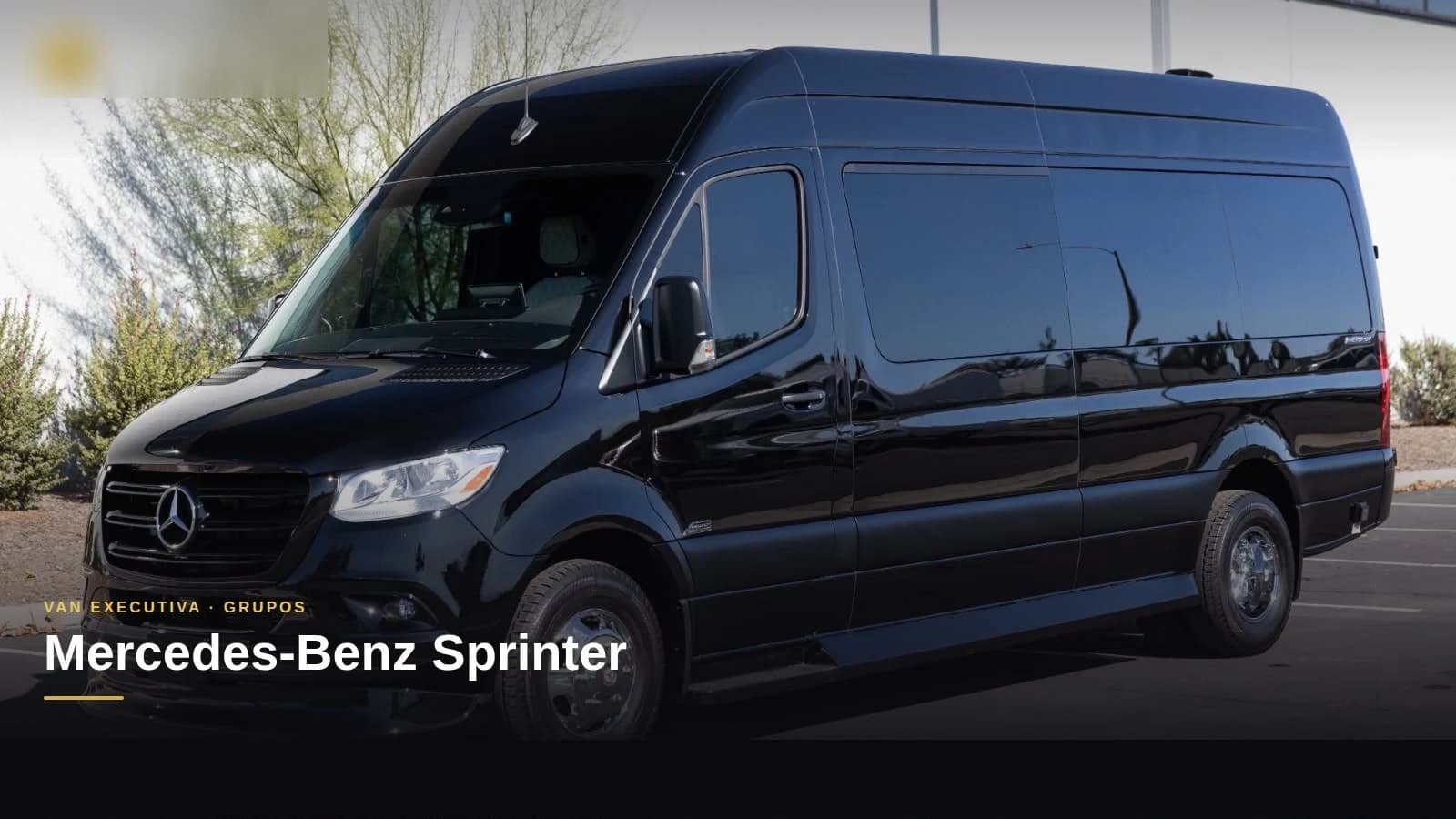
Which vehicle suits Hospitality Programs


Hospitality Programs transportation, answered.
The guest list with arrival and departure flights, the hotels, the event schedule, and the venue's access plan if you have it. Vehicle counts come out of that; they cannot be quoted meaningfully before it.
Plan Hospitality Programs transportation.
Share the essentials and our event team will build your transportation plan.